As an alternative to traditional fee-for-service (FFS) Medicare, Medicare Advantage (MA) is a government-sponsored program in which benefits are provided to Medicare beneficiaries by private health plans, otherwise known as Medicare Advantage organizations (MAOs). MAOs offer plan designs that cover all services provided under traditional Medicare plus varying benefits and premiums. MA plans are required to offer benefits at least as rich as those covered under FFS Medicare, but they frequently include additional supplemental benefits not available under FFS. For general enrollment plans, these can take the form of benefits supplemental to FFS (e.g., dental, vision, hearing), and, less often, reduced cost sharing on Medicare-covered benefits or reductions in the Part B premium through buydowns. MAOs receive government subsidies to cover traditional Medicare Part A and B services and can offer supplemental benefits supported by savings generated through care management. Because MA is a managed care program, it differs from traditional FFS Medicare in several respects, including the use of contracted provider networks and prior authorizations.
Over the past several years, MA benefit design has evolved from a competitive differentiator to a primary financial lever. After sustained expansion in supplemental benefit prevalence and richness through 2024, 2025 marked a turning point as plans began recalibrating offerings in response to mounting revenue pressures. In 2026, that recalibration continued—but not uniformly—revealing meaningful divergence across benefit categories and signaling a more targeted deployment of benefit value across the general enrollment market.
This white paper examines how the prevalence and richness of mandatory supplemental benefits (MSBs) evolved in 2026 for general enrollment MA plans. MSBs are benefits offered uniformly to all enrollees, in contrast to optional supplemental benefits (OSBs), which require an additional premium. This analysis focuses exclusively on general enrollment plan offerings and excludes nonuniform benefit (NUB) packages such as uniform flexibility (UF) and special supplemental benefits for the chronically ill (SSBCI), where benefit dynamics differ materially.
Recalibration continues: Medicare Advantage supplemental benefit trends in 2026
MSBs such as dental, vision, and hearing may be offered on a standalone basis or bundled within a combined (combo) benefit package. For purposes of this analysis, combo benefits refer specifically to packages that integrate multiple unrelated benefit types under a shared annual limit (e.g., dental, vision, and hearing combined). Packages that bundle services within a single category (e.g., preventive and comprehensive dental under one limit) are not classified as combo offerings.
Because benefit prevalence and member access can differ materially depending on structure, this paper evaluates both standalone and combo designs when assessing coverage trends. Figure 1 presents the percentage of general enrollment plans offering dental, vision, and hearing benefits, segmented by standalone and combo formats.
Figure 1: Percentage of general enrollment plans with benefit coverage of dental, vision, and hearing benefits, 2023–2026
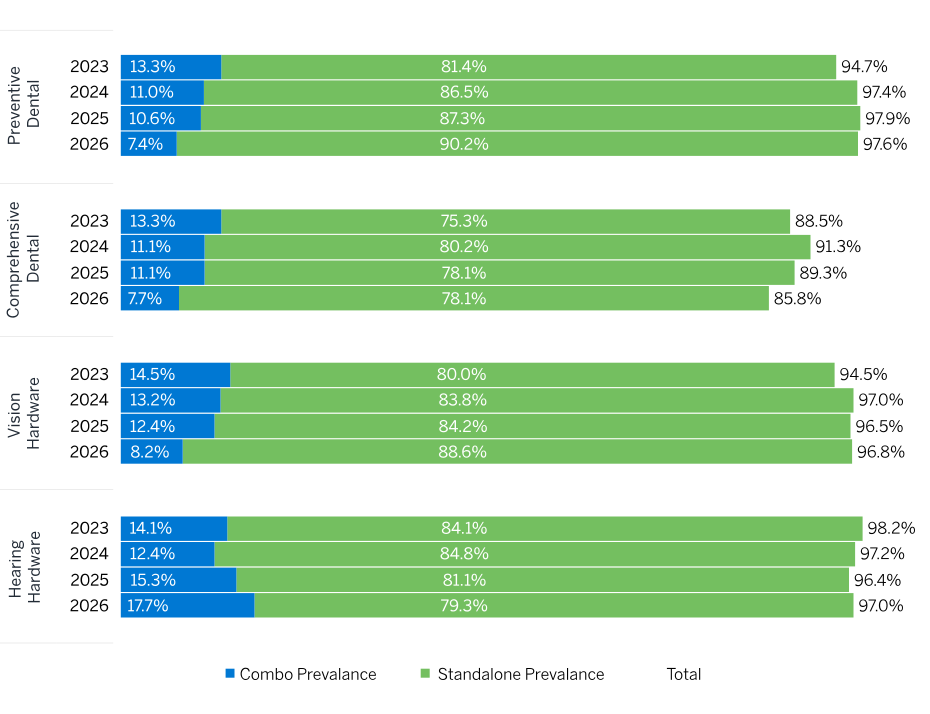
Overall prevalence of dental, vision, and hearing benefits remains high in 2026, with most core services offered by more than 85% of general enrollment plans. The expansion cycle observed from 2022 through 2024 has largely stabilized, and 2026 reflects structural refinement rather than continued growth.
- Comprehensive dental experienced the most notable decline. After peaking above 91% in 2024, prevalence declined more than 5% by 2026, driven primarily by a reduction in offerings through combo benefit packages. Coverage for preventive dental remains nearly universal at approximately 98%, indicating plans are preserving foundational coverage while reassessing exposure to higher-cost services.
- Vision and hearing hardware prevalence remained stable in 2026. However, vision hardware saw a meaningful shift in structure, with combo offerings declining 4% and standalone offerings increasing by a similar margin from 2025 to 2026. This suggests plans are maintaining access while adjusting packaging to manage cost and flexibility.
- Hearing hardware prevalence increased slightly in 2026, supported by a 2% increase in combo package offerings from 2025 to 2026. This may reflect continued integration of OTC hearing aids within shared benefit structures introduced in recent years.
- Vision and hearing exams remained nearly universally covered and are not shown due to minimal variation over time. As in prior years, differentiation across plans continues to center on hardware rather than exam availability.
Despite selective adjustments in comprehensive dental and shifts in packaging structure, core dental, vision, and hearing benefits remain widely available in 2026, most commonly through standalone designs rather than a combo design.
Selective pullback on less-common Medicare Advantage benefits in 2026
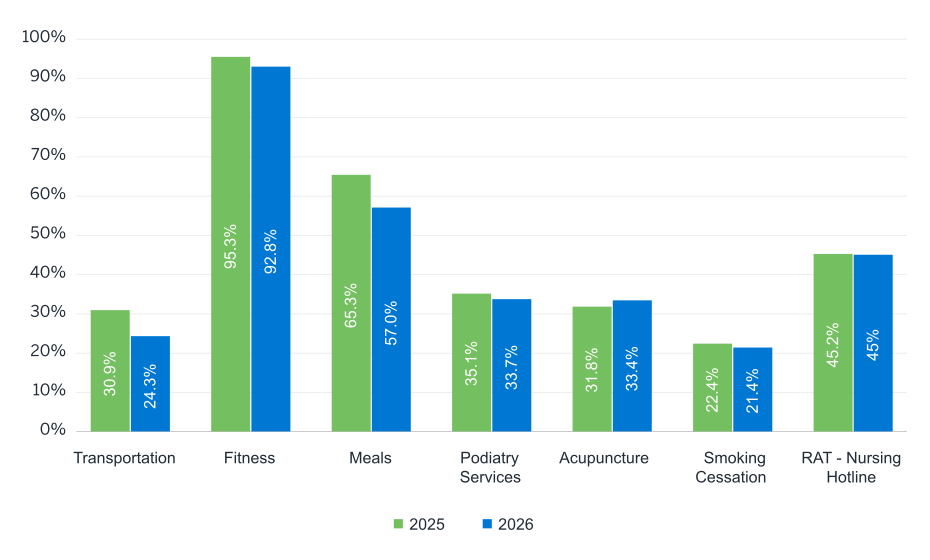
Overall, coverage of less common supplemental benefits continued to moderate in 2026. Figure 2 illustrates how select secondary benefits experienced further pullbacks, while others stabilized or saw modest movement.
Figure 2: Percentage of general enrollment plans with standalone benefit coverage of other supplemental benefits, 2024–2026
Notable conclusions to highlight here include:
- Nonemergency transportation and post-acute meals experienced the most pronounced pullbacks in 2026. From 2025 to 2026, plans that cover transportation declined nearly 7% to approximately 24%, while coverage of meals declined 8% to roughly 57%. These continued reductions suggest plans are reassessing their supplemental benefit portfolio.
- Fitness, while still broadly offered at over 90% of plans, declined approximately 3% in 2026, indicating a moderation in coverage, even among historically near-universal supplemental benefits.
- Other benefits showed limited movement. Remote-access technologies (RAT) remained stable at approximately 45% of plans, while acupuncture increased modestly by roughly 2%, making it the only category shown to expand in 2026.
Reduction in the richness of some Medicare Advantage supplemental benefit offerings in 2026
While the prevalence of coverage of supplemental benefits in general enrollment plans is a critical component in analyzing plan design offerings, it is also important to understand the richness or dollar value of these benefits; this is equally crucial in attracting members. Figure 3 provides insight into the average annual limits of popular supplemental benefits.
Figure 3: Average annual limits of popular supplemental benefits limited to general enrollment plans, 2023–2026
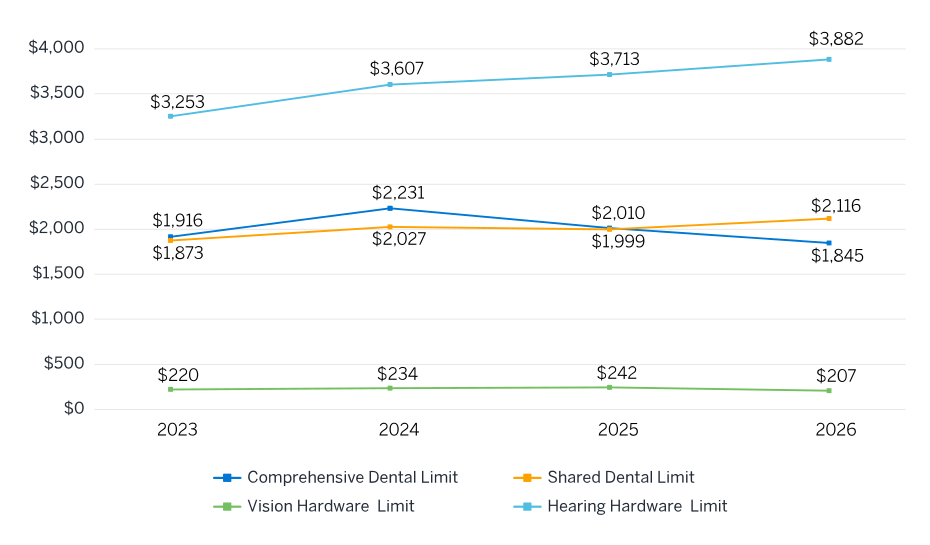
Following strong growth in benefit richness through 2024 and selective compression in 2025, 2026 reflects stabilization at the aggregate level but meaningful divergence across benefit categories.
The takeaways on benefit richness in 2026 include:
- Dental limits diverged in 2026. Standalone comprehensive dental limits declined approximately 8%, continuing the pullback from 2025 and paralleling the reduction in plan prevalence observed in Figure 1. At the same time, shared dental limits increased roughly 6%, suggesting a shift toward consolidated benefit structures when combined dental benefits are considered, rather than continued expansion of standalone comprehensive coverage.
- Vision hardware limits experienced the most pronounced adjustment in 2026, declining approximately 15%, which is a decrease in benefit limit for the second year in a row. This benefit value reduction occurred while the prevalence of plans offering the benefit has been stable as shown in Figure 1, indicating that while plans continue to offer vision hardware broadly, they are reducing the value of coverage.
- Hearing hardware limits continued to increase, rising approximately 5% in 2026 and extending a multiyear pattern of steady growth. In contrast to vision, both prevalence and benefit limits for hearing remain stable to upward-trending, suggesting continued strategic emphasis on this category.
Overall, 2026 reflects continued recalibration in supplemental benefit richness across categories. In contrast to these adjustments, Part B premium buydowns remain an important component of benefit design.
Figure 4: Distribution of Part B premium buydown amounts among general enrollment MA plans offering a buydown, 2025–2026
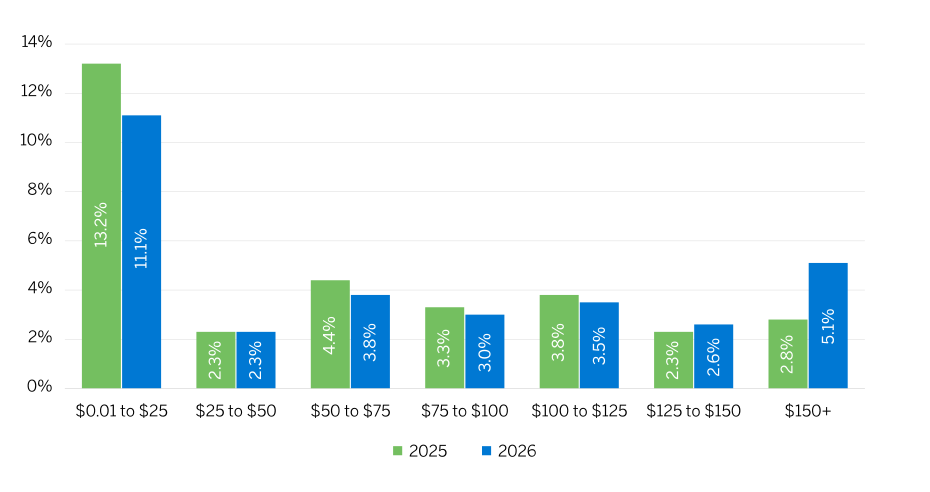
While the prevalence of plans offering a Part B premium buydown remained largely stable in 2026, the distribution of buydown amounts shifted toward higher-value offerings. Figure 4 illustrates how buydown amounts changed between 2025 and 2026 among plans offering a buydown.
Observations to highlight include:
- Buydown prevalence remained largely stable in 2026. In both 2025 and 2026 nearly 70% of plans offered no Part B buydown, while the remaining 30% offered at least some level of Part B buydown, as shown in the chart above. The share of plans offering any Part B premium buydown declined slightly by approximately 0.5%, indicating that overall availability remained relatively consistent year over year.
- The average monthly Part B premium buydown increased from $18.78 in 2025 to $22.28 in 2026, a rise of roughly $3.50 per member per month (PMPM). While the share of plans offering a buydown remained relatively stable, this increase indicates plans offering the benefit are generally providing larger premium reductions.
- Higher-value buydowns expanded meaningfully in 2026. The share of plans offering $150 or more in monthly Part B premium relief increased from nearly 3% in 2025 to just over 5% in 2026, representing the most notable shift across buydown categories.
- Lower-value buydowns became less common. Plans offering smaller buydowns (particularly those below $25 per month) declined modestly, suggesting a shift away from minimal premium reductions.
Taken together, the distributional shift toward larger buydowns suggests plans may be concentrating premium relief within fewer but more competitive offerings, aligning with broader 2026 trends toward more targeted deployment of supplemental benefit dollars.
Medicare Advantage OTC benefit card offerings continued to reduce in 2026, reflecting accelerated recalibration in member-facing benefit design
Over-the-counter (OTC) benefit cards remain one of the most visible supplemental offerings in MA; however, they also represent a cost-management lever within plan design. Following initial pullbacks in 2025, 2026 reflects continued recalibration in both the availability and structure of OTC offerings.
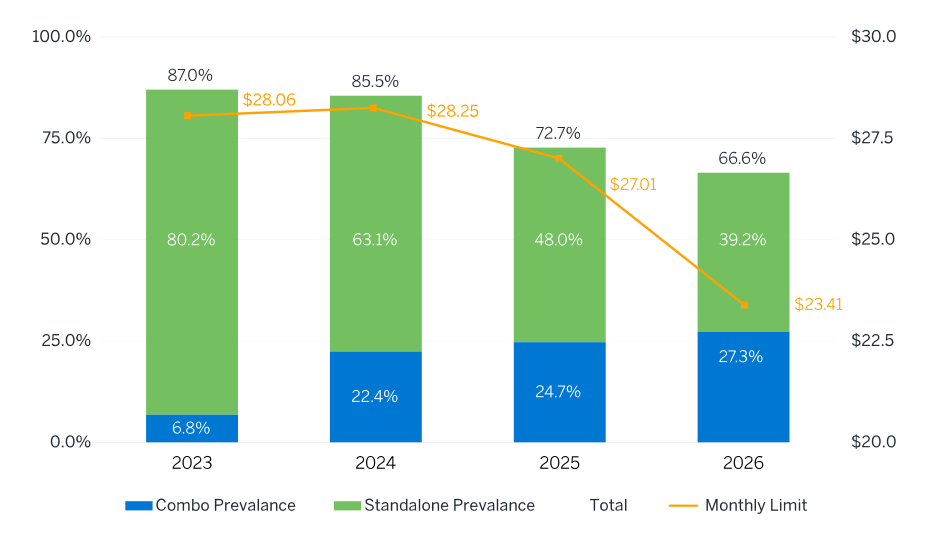
Figure 5: OTC benefit card prevalence and average monthly limit exclusive to general enrollment plans, 2023–2026
Note: Some totals may not add up due to rounding.
The figure above highlights several key shifts across OTC offerings:
- Overall prevalence declined to approximately 67% of plans, down more than 6% from 2025 and nearly 20% from 2023 levels. Rather than stabilizing after the initial 2025 reduction, participation continued to contract in 2026.
- Structural consolidation accelerated in 2026. More than 27% of plans now incorporate OTC within combo benefit packages, while standalone OTC prevalence declined to roughly 39%. As OTC is increasingly bundled with other services, dollars that were previously dedicated exclusively to OTC purchases may now be allocated across multiple benefit categories, effectively diluting OTC-specific value.
- OTC rollover offerings declined from 9.6% of plans in 2025 to 2.4% in 2026. This reduction coincided with the introduction by the Centers for Medicare and Medicaid Services (CMS) of the mid-year enrollee notification of unused supplemental benefits requirement. Although enforcement was postponed for 2026, the policy was finalized and in place during bid development and may have influenced plan decisions around rollover flexibility. The decline further limits members’ ability to carry forward unused balances, reducing effective annual OTC purchasing power while narrowing plan liability exposure.
- Average standalone monthly OTC limits declined approximately 13% in 2026, falling to about $23 per month. This marks the steepest year-over-year reduction in the study period and reinforces that OTC is being utilized as a cost-management lever. The combination of lower limits and increased bundling suggests plans are actively reducing both the scale and certainty of OTC spending exposure.
2027 will usher in heightened uncertainty for Medicare Advantage amid evolving policy and payment dynamics
The first year that MAOs widely used benefit design as a strategic lever to address market headwinds was 2025, and benefit adjustments continued through 2026. Looking ahead to 2027, a number of policy proposals and structural changes could further influence plan design and revenue strategies in the MA market.
CMS’ 2027 MA and Part D proposed rule outlines updates to payment methodologies, risk-adjustment calibration, and quality-measurement systems that plan sponsors must consider as they prepare bids and benefit strategies for the next contract year. Among the key areas of uncertainty are proposed star ratings changes, including the removal and addition of measures that could materially affect quality bonus payments and relative plan competitiveness, and updates to the Part D risk-adjustment model aligned with recent statutory changes. Additionally, the preliminary 2027 Advance Notice projects an essentially flat net payment rate increase, intensifying pressure on revenue projections amid broader cost trends.
Taken together with ongoing drug pricing reform efforts and real-world margin pressures identified in the market, 2027 presents a complex operating environment in which both planned and unexpected policy shifts could influence outcomes.
Given this evolving landscape, MAOs and other stakeholders that leverage robust data, forward-looking modeling, and deep actuarial and regulatory expertise will be best positioned to navigate risk, optimize benefit design, and sustain financial performance. Milliman’s integrated capabilities in risk adjustment, quality strategy, benefit modeling, and regulatory interpretation can help organizations address these uncertainties with clarity and strategic confidence.
Data sources and methodology
In performing this analysis, we relied on the 2026 Milliman MACVAT. The Milliman MACVAT contains MA plan details and benefit offerings through the 2026 plan year. The Milliman MACVAT uses publicly available data released by CMS, which is then compiled, sorted, and summarized in a user-friendly format.
Benefit data for all years were summarized from the plan benefit packages (PBPs) published by CMS annually.1 The analysis presented is limited to non-special-needs plans (general enrollment) in the MA market and excludes Medicare medical savings account (MSA) plans and cost plans. Additionally, all statistics are calculated by giving equal weight to each general enrollment plan, without considering enrollment figures. The plan-weighted approach displays the counts of benefits in the market and does not skew counts to the largest plans. This allows for an apples-to-apples comparison of what people eligible for Medicare can shop for in the market each year, independent of what plan other people select.
Caveats and limitations
Julia Friedman, Matt Timm, and Aric Booth are actuaries for Milliman and members of the American Academy of Actuaries, and meet the qualification standards of the Academy to render the actuarial opinion contained herein. To the best of our knowledge and belief, this information is complete and accurate and has been prepared in accordance with generally recognized and accepted actuarial principles and practices.
The material in this report represents the opinion of the authors and is not representative of the view of Milliman. Milliman is not advocating for, or endorsing, any specific views contained in this report related to the Medicare Advantage program.
This report is intended to summarize benefit richness in MA plans from 2023 through 2026. This information may not be appropriate, and should not be used, for other purposes. We do not intend this information to benefit, and assume no duty of liability to, any third party that receives this work product. Any third-party recipient of this report that desires professional guidance should not rely on Milliman’s work product but should engage qualified professionals for advice appropriate to its specific needs.
In preparing our analysis, we relied upon public information from CMS, which we accepted without audit. However, we did review it for general reasonableness. If this information is inaccurate or incomplete, conclusions drawn from it may change.
1 These data can be downloaded from https://www.cms.gov/data-research/statistics-trends-and-reports/medicare-advantagepart-d-contract-and-enrollment-data/benefits-data.